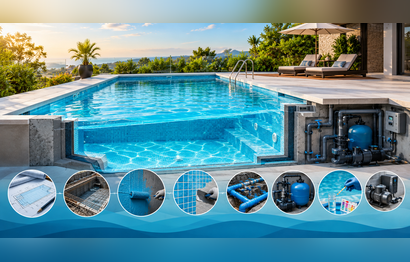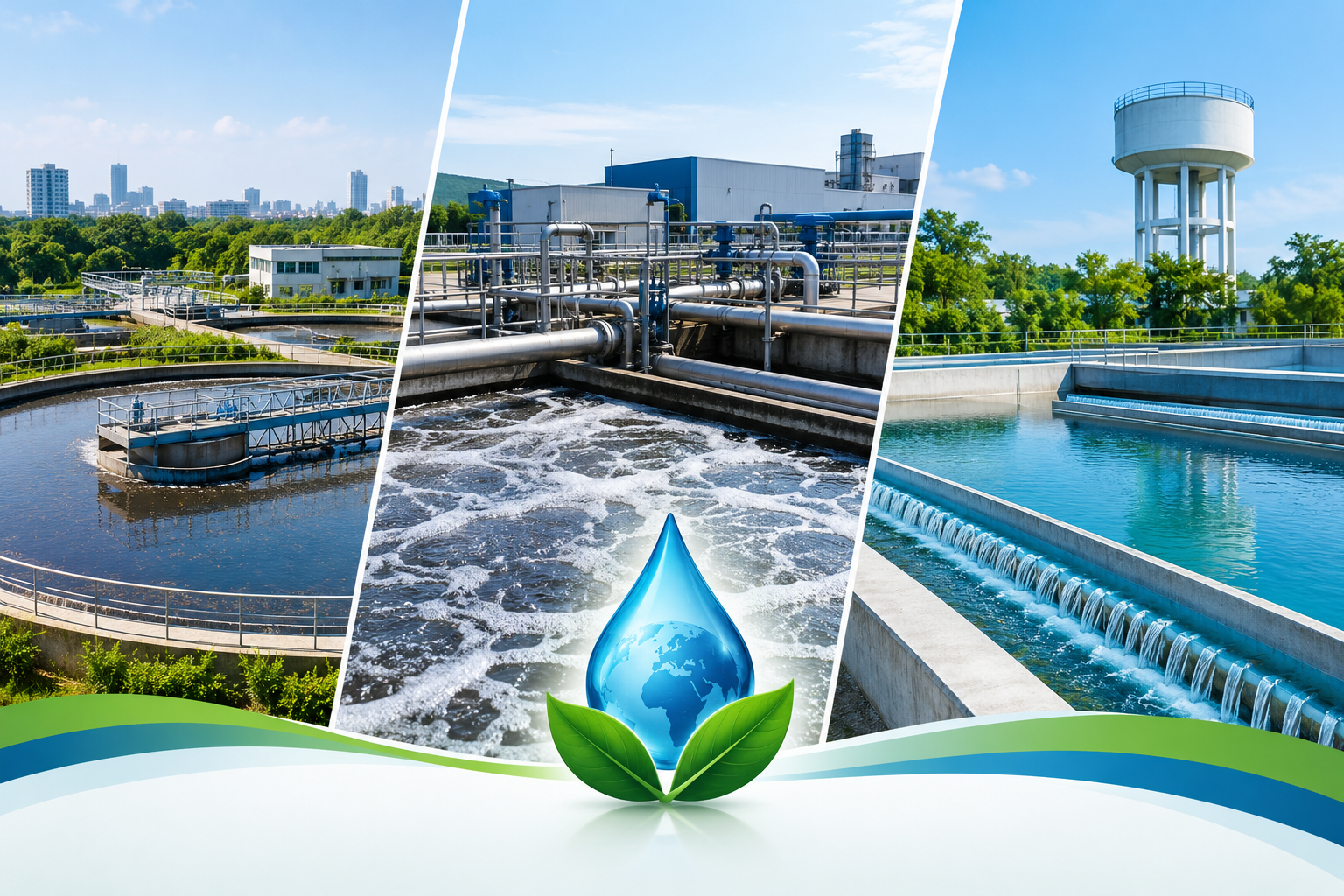
Water is an essential resource for residential communities, commercial establishments, and industrial operations. However, increasing water demand and the growing volume of wastewater make responsible water management more important than ever. Treating wastewater effectively, improving water quality, and exploring opportunities for water reuse are essential steps towards reducing environmental impact and supporting long-term water sustainability.
At Aqua Planner India, we recognize the importance of efficient water treatment systems in modern infrastructure. We focus on the engineering considerations behind wastewater treatment, sewage treatment, and water purification to help address diverse water management requirements. From residential sewage treatment plants to industrial effluent treatment systems and water treatment plants, we understand that every application requires an approach tailored to its water quality, treatment objectives, and operational demands.
Sewage Treatment Plants (STPs) are designed to treat wastewater generated by toilets, kitchens, bathrooms, and other domestic activities. Residential complexes, apartment buildings, hotels, offices, educational institutions, and commercial facilities can generate substantial quantities of sewage that require appropriate treatment before discharge or reuse.
At Aqua Planner India, we consider the sewage source and volume, available installation space, expected occupancy, and intended reuse applications when evaluating STP requirements.
A typical sewage treatment process may involve preliminary screening, biological treatment, clarification, and disinfection, depending on the selected technology and required output quality. Biological treatment helps reduce organic pollutants, while subsequent treatment stages can improve water clarity and microbiological quality.
We recognize that selecting the right STP technology depends on the project's specific conditions. Options such as Moving Bed Biofilm Reactor (MBBR), Sequencing Batch Reactor (SBR), and other suitable biological treatment systems may be considered according to wastewater characteristics, space availability, performance requirements, and operating capacity.
A properly designed sewage treatment plant can help residential and commercial facilities manage wastewater responsibly while creating opportunities to reuse treated water for suitable non-potable applications, subject to applicable standards.
Industrial wastewater can contain a wide range of pollutants depending on the manufacturing process, raw materials, cleaning operations, and chemicals used. Unlike domestic sewage, industrial effluent may contain high organic loads, suspended solids, oils, metals, or other process-specific contaminants.
An Effluent Treatment Plant (ETP) is designed to treat such wastewater according to its characteristics and the applicable discharge or reuse requirements.
At Aqua Planner India, we understand the importance of evaluating industrial wastewater before determining the appropriate treatment process. Wastewater characterization helps identify the contaminants present and establishes the treatment requirements for the application.
Depending on the industry, an ETP may incorporate several treatment stages:
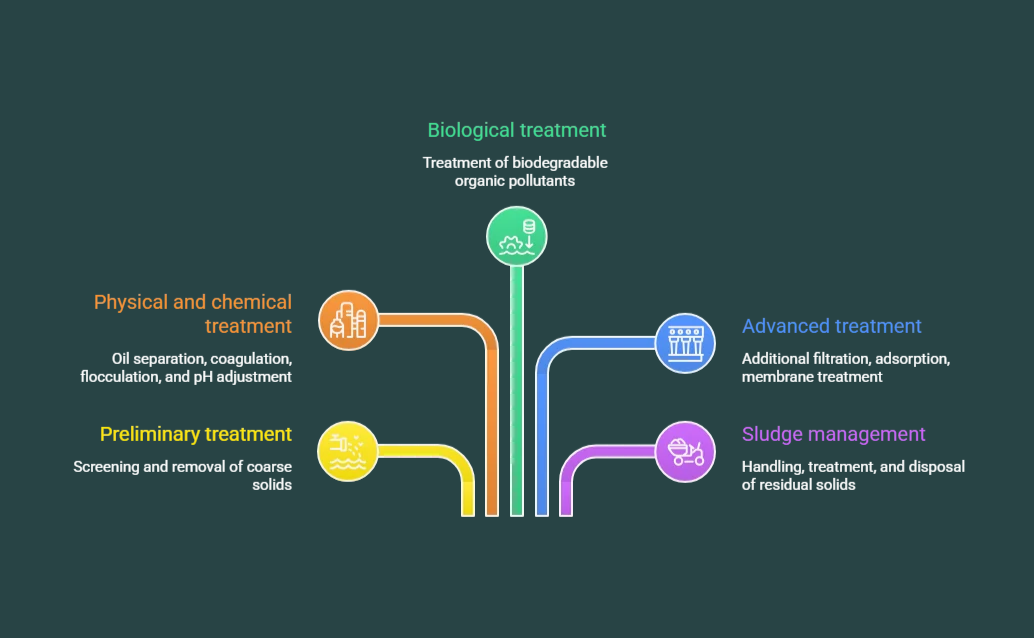
We consider the treatment process, plant capacity, chemical consumption, energy requirements, and sludge generation when assessing ETP performance. Our focus is on the importance of a well-planned system that addresses the specific characteristics of industrial wastewater while supporting regulatory compliance and responsible resource management.
Water Treatment Plants (WTPs) are designed to improve the quality of incoming water for specific uses. Depending on the source and intended application, treatment may be necessary to remove suspended particles, reduce hardness, control microorganisms, or address dissolved contaminants.
At Aqua Planner India, we recognize that water treatment requirements differ between residential buildings, commercial establishments, industrial facilities, and other applications. The appropriate treatment process depends on the source water quality and the standards the treated water must meet.
Common water treatment processes include:
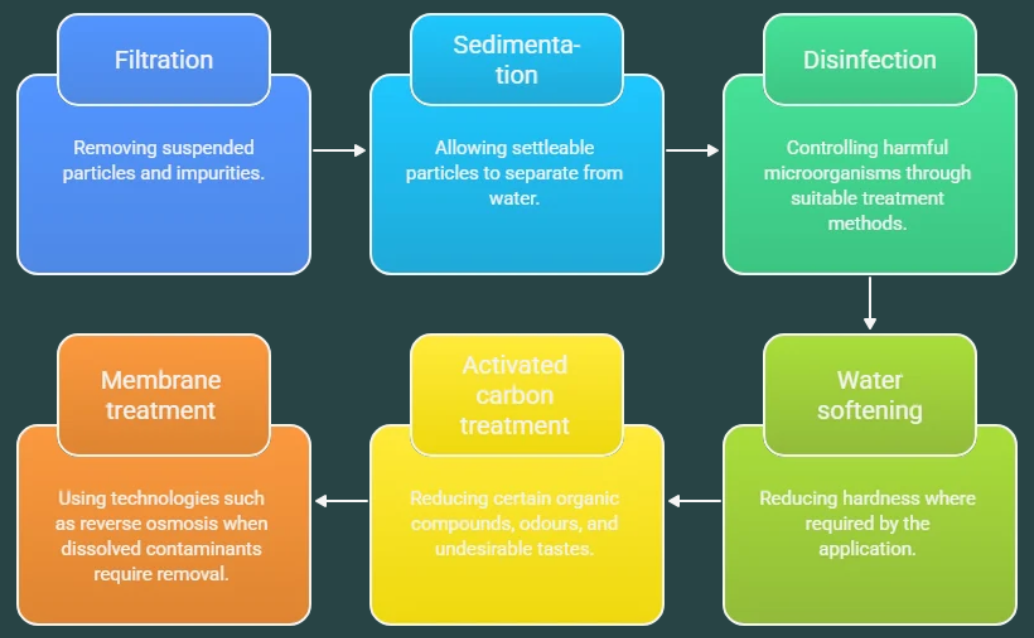
Not every water source requires every treatment stage. We emphasize the importance of water testing and application-specific planning to determine an appropriate treatment configuration.
A properly selected WTP can help provide water suitable for its intended purpose, whether that involves general building use, industrial processes, or other defined requirements.
Water recycling is an important strategy for reducing freshwater demand and improving resource efficiency. Instead of treating wastewater solely for disposal, facilities can explore opportunities to recover and reuse treated water where technically and legally appropriate.
At Aqua Planner India, we consider water reuse an important part of sustainable water management planning. Depending on the treatment quality and intended application, treated wastewater may be suitable for toilet flushing, landscape irrigation, gardening, cooling tower makeup, or other non-potable uses.
Effective water recycling requires more than installing a treatment plant. We consider the quality of the incoming wastewater, the treatment process, the intended reuse application, storage requirements, distribution arrangements, and the applicable water quality standards.
For applications requiring higher-quality water, additional treatment and disinfection may be necessary. Recycled water systems must also be designed to prevent cross-connections with potable water supplies and maintain appropriate separation between different water networks.
By integrating suitable wastewater treatment and reuse systems, buildings and industries can reduce dependence on freshwater sources, potentially lower water procurement costs, and support more responsible water consumption.
The long-term performance of an STP, ETP, or WTP depends on more than the equipment installed. Proper engineering, process control, regular monitoring, and preventive maintenance are equally important.
At Aqua Planner India, we recognize the value of considering operational requirements during the initial planning stage. An appropriately designed treatment plant should account for flow variations, treatment capacity, available space, energy consumption, chemical requirements, sludge handling, and future maintenance access.
We also emphasize the importance of routine operational practices, including:
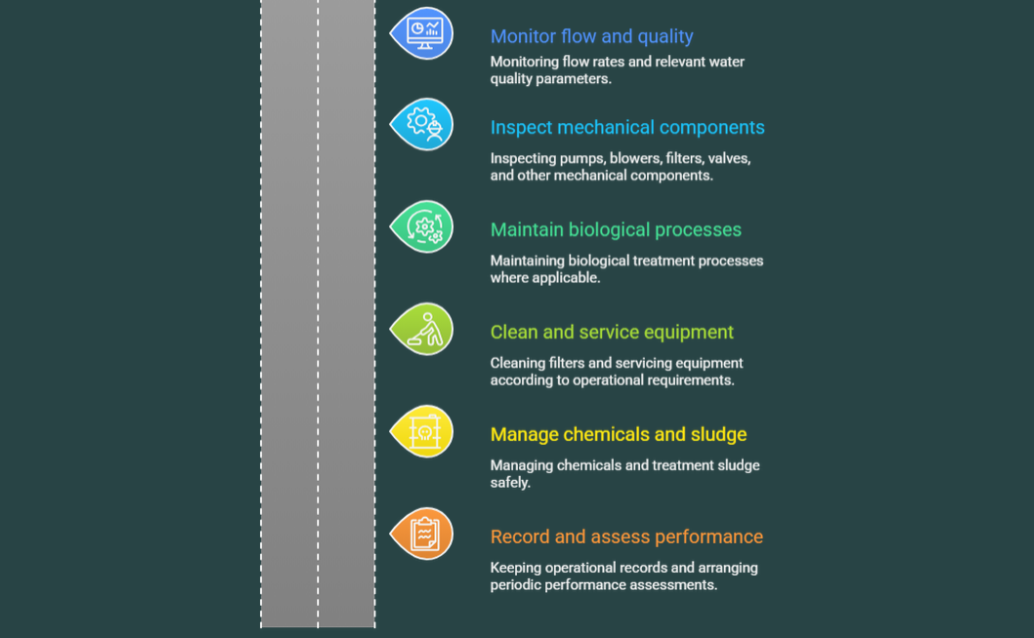
Efficient plant operation can help improve treatment consistency, identify problems early, and reduce avoidable downtime. The appropriate maintenance schedule depends on the treatment technology, wastewater characteristics, equipment specifications, and operating conditions.
At Aqua Planner India, we believe that effective water management begins with understanding the water source, treatment requirements, and intended use. STPs, ETPs, and WTPs serve different purposes, but each plays an important role in managing water resources responsibly.
By considering suitable treatment technologies, efficient plant design, reliable operation, and water reuse opportunities, we aim to support informed decisions for residential, commercial, and industrial water management projects.
Looking for wastewater treatment or water purification solutions? Connect with Aqua Planner India to discuss your project's requirements and explore suitable approaches to sewage treatment, industrial effluent treatment, water treatment, and water recycling.
Aqua Planner India
Aqua Planner India